Beyond Drops: How Meibography Helps Identify Causes of Autumn Dry Eye in La Mirada
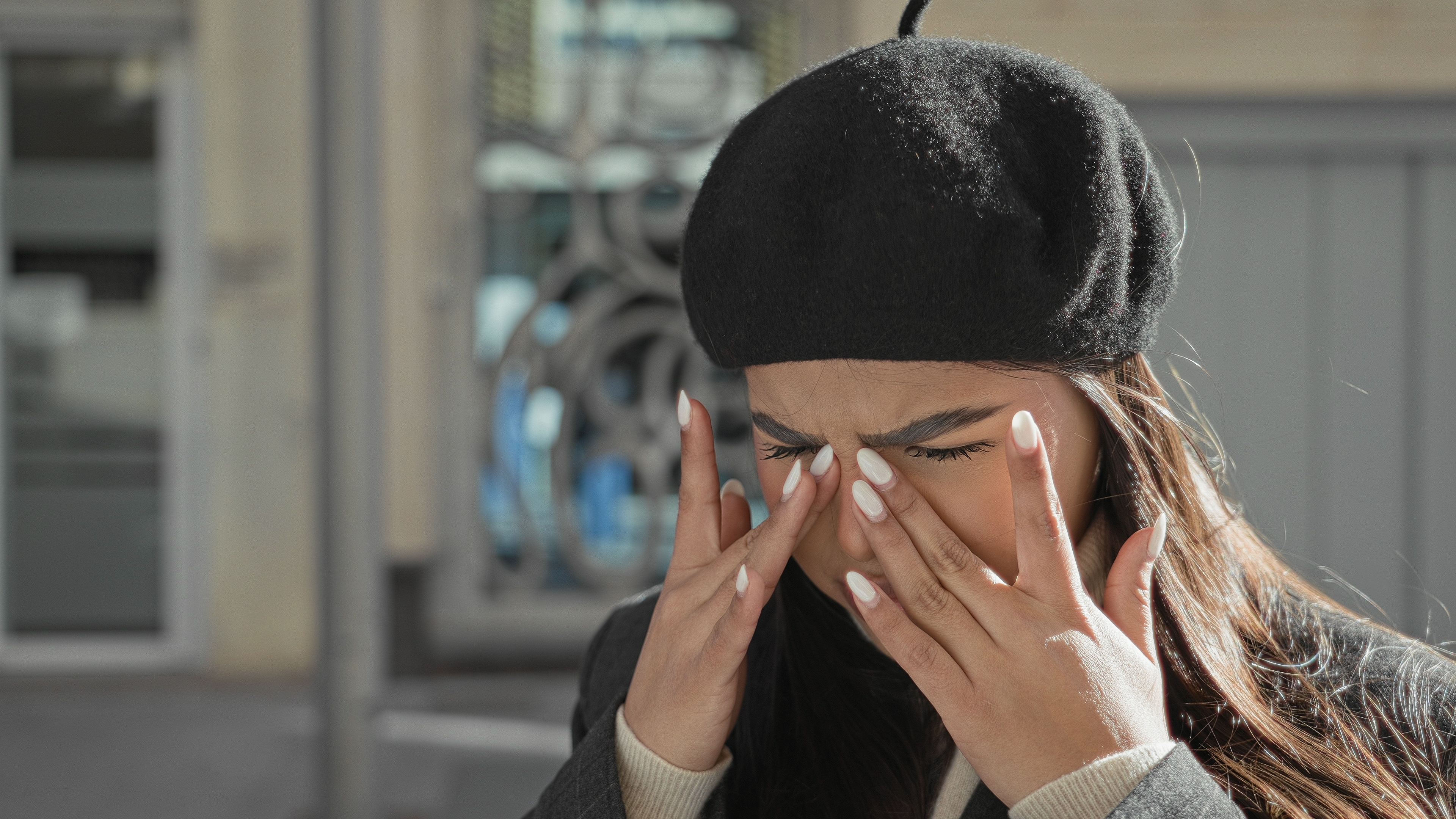
As autumn brings cooler temperatures, dry winds, and changing humidity, many people notice increased eye irritation, burning, or fluctuating vision. While artificial tears may provide temporary relief, persistent symptoms can indicate an underlying issue with your tear film. At La Mirada Optometry, we use comprehensive dry eye evaluations, including meibography when appropriate, to help identify contributing factors and develop personalized treatment plans.
Why Dry Eye Symptoms Can Worsen During Autumn
Autumn weather in La Mirada can create conditions that make dry eye symptoms more noticeable. Seasonal Santa Ana winds, low humidity, and increased exposure to indoor heating can accelerate tear evaporation, leaving the eyes feeling uncomfortable.
Seasonal allergies and prolonged screen time may also contribute to irritation. However, environmental factors are not always the only cause. For some patients, autumn weather aggravates an existing condition called meibomian gland dysfunction (MGD).
Understanding whether symptoms are caused by environmental exposure, inadequate tear production, or dysfunctional oil glands is important for selecting appropriate dry eye treatment.
What Is Meibography and How Does It Work?
Meibography is a noninvasive imaging technique that allows our eye doctor to examine the structure of the meibomian glands located inside the eyelids. These glands produce oils that form the outer layer of the tear film, helping prevent tears from evaporating too quickly.
When the glands become blocked or damaged, they may produce insufficient or poor-quality oil. This can contribute to evaporative dry eye, one of the most common forms of dry eye disease.
Meibography provides detailed images that can reveal structural changes, including shortened glands or gland loss. Although imaging alone cannot determine how well the glands function, it provides valuable information when combined with other diagnostic tests.
How Meibography Helps Identify the Underlying Cause
At La Mirada Optometry, our dry eye evaluations focus on understanding the factors contributing to each patient's symptoms. Meibography can help us assess gland structure while additional testing evaluates tear stability, production, and eyelid health.
This information helps distinguish between evaporative dry eye, aqueous-deficient dry eye, and cases involving both conditions.
Identifying meibomian gland dysfunction can also help us determine whether treatment should focus on improving oil gland function rather than relying exclusively on lubricating eye drops.
Signs You May Benefit From a Dry Eye Evaluation
If your symptoms persist despite using artificial tears, a comprehensive dry eye evaluation may help identify the underlying problem.
Common symptoms include:
- Burning, stinging, or gritty sensations that worsen outdoors
- Blurry or fluctuating vision, especially during screen use
- Redness, irritation, or excessive watering
- Difficulty wearing contact lenses comfortably
- Dryness that returns shortly after applying lubricating drops
Because these symptoms can overlap with other eye conditions, an accurate diagnosis is essential.
Personalized Dry Eye Treatment Beyond Artificial Tears
Once we identify the factors contributing to your dry eye symptoms, we can recommend treatment based on your individual needs.
For patients with meibomian gland dysfunction, treatment may include warm compresses and proper eyelid hygiene to support healthier oil gland function. Lubricating drops can help manage discomfort, while prescription eye drops may be appropriate when inflammation contributes to symptoms.
We may also recommend adjustments to contact lens wear or daily habits that increase tear evaporation.
If autumn dry eye symptoms are affecting your comfort or vision, contact La Mirada Optometry in La Mirada, CA, at (562) 442-3200 to schedule a comprehensive dry eye evaluation and learn how meibography may help guide your treatment.

All Eye
Care Services

Keep
In Touch

Our Services
Contact Info
Hours of Operation
- Monday 9:00am - 6:00pm
- Tuesday 9:00am - 6:00pm
- Wednesday 9:00am - 6:00pm
- Thursday 9:00am - 6:00pm
- Friday 9:00am - 6:00pm
- Saturday 9:00am - 1:00pm
- Sunday Closed
Closed daily for lunch from 1pm to 2pm
© 2026 La Mirada Optometry. All rights Reserved. Accessibility Statement - Privacy Policy - Sitemap
Powered by:
