
Santa Ana Winds and Dry Eyes: When to See Your La Mirada Optometrist
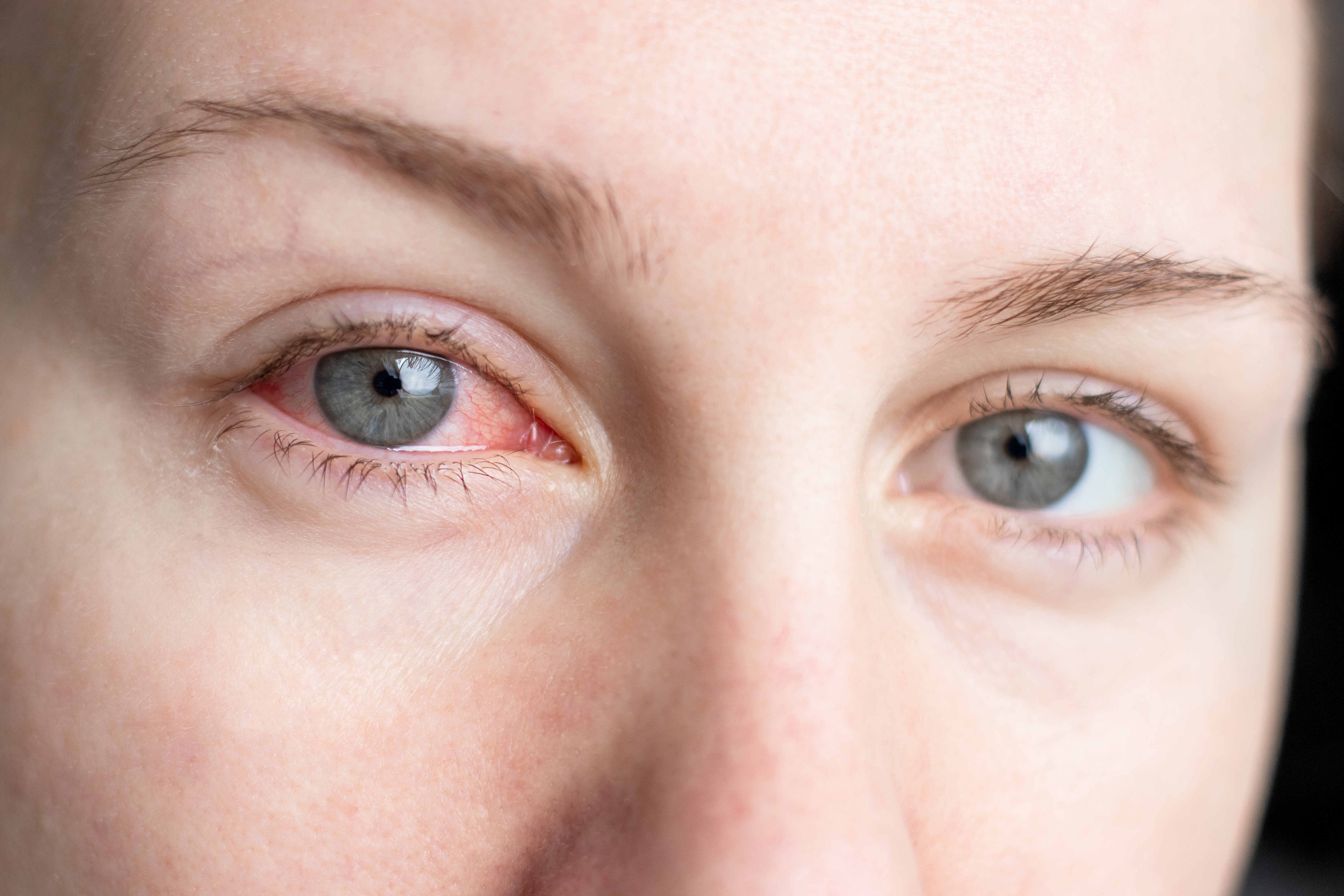
When Santa Ana winds move through Southern California, the combination of strong airflow and low humidity can make dry eye symptoms more noticeable. The National Weather Service describes Santa Ana winds as warm, dry winds that move through Southern California. For patients in La Mirada, burning, redness, grittiness, watering, or fluctuating vision during windy weather may be signs that the tear film is not protecting the eyes as well as it should.
Why Santa Ana Winds Can Make Dry Eyes Feel Worse
Your tear film helps keep the surface of the eyes lubricated and protected. Wind and dry air can speed up tear evaporation, leaving the eyes feeling irritated or uncomfortable. At La Mirada Optometry, we evaluate dry eye symptoms that may become more noticeable with environmental exposure, screen use, contact lens wear, allergies, or meibomian gland dysfunction.
Meibomian gland dysfunction, or MGD, is a common contributor to evaporative dry eye. These glands produce oils that help slow tear evaporation. When the glands become blocked or do not function properly, the tear film can become unstable, making windy conditions even harder on the eyes.
Signs the Wind May Be Triggering Dry Eye Symptoms
Dry eye does not always feel like simple dryness. Some people notice excessive watering, while others experience blurry or fluctuating vision. La Mirada Optometry also lists symptoms such as burning, grittiness, redness, light sensitivity, and difficulty wearing contact lenses.
Symptoms to watch for during Santa Ana wind conditions include:
- Burning, stinging, or itching
- A gritty or sandy sensation
- Redness or irritation
- Fluctuating or blurry vision
- Excessive tearing
- Light sensitivity
- Contact lens discomfort
- Eye fatigue
If these symptoms keep returning, interfere with your daily routine, or continue after the windy weather passes, it may be time to schedule a dry eye evaluation.
When to See Your La Mirada Optometrist
Occasional mild irritation may improve when you limit direct wind exposure, use appropriate lubricating eye drops, or give your eyes a break from contact lenses and screens. Persistent or recurring symptoms, however, deserve a closer look.
At La Mirada Optometry, Dr. Debbie Chen-Bennett performs comprehensive dry eye evaluations to identify what may be contributing to your symptoms. Testing may include assessments of tear volume, tear film stability, tear break-up time, and meibography to evaluate the meibomian glands. Understanding the underlying cause allows us to recommend care tailored to your eyes instead of relying only on temporary symptom relief.
Personalized Dry Eye Treatment in La Mirada
Dry eye treatment depends on the cause and severity of your symptoms. Our recommendations may include eyelid hygiene, warm compresses, artificial tears, prescription eye drops, nutritional support, or changes to your contact lenses. The goal is to improve tear film stability, reduce irritation, and help your eyes stay more comfortable through changing Southern California conditions.
If Santa Ana winds leave your eyes burning, gritty, watery, or irritated, schedule a dry eye evaluation with La Mirada Optometry in La Mirada, CA at (562) 442-3200.

All Eye
Care Services

Keep
In Touch

Our Services
Contact Info
Hours of Operation
- Monday 9:00am - 6:00pm
- Tuesday 9:00am - 6:00pm
- Wednesday 9:00am - 6:00pm
- Thursday 9:00am - 6:00pm
- Friday 9:00am - 6:00pm
- Saturday 9:00am - 1:00pm
- Sunday Closed
Closed daily for lunch from 1pm to 2pm
© 2026 La Mirada Optometry. All rights Reserved. Accessibility Statement - Privacy Policy - Sitemap
Powered by:
